
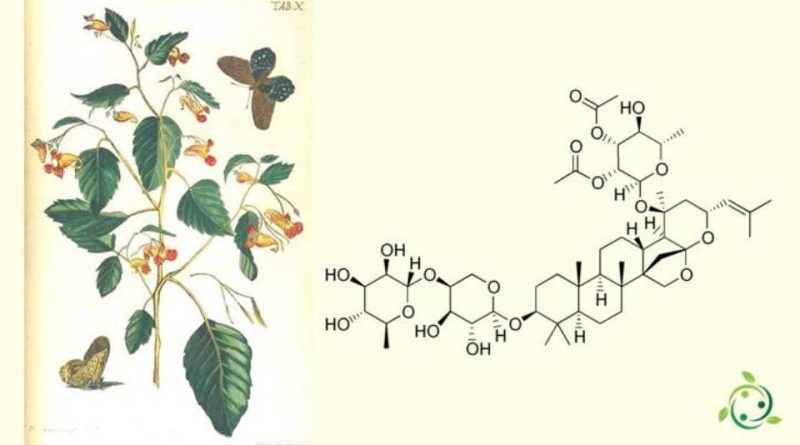
Ziziphin
Ziziphin
Ziziphin is a triterpene glycoside with the brute formula C51H80O18.
This compound, present in Giuggiolo (Ziziphus jujuba Mill.) And in other related species, has been isolated from the leaves of this plant and shows properties that tend to modify the taste.
In general, the properties of zizifine include that of inhibiting the perception of sweet taste.
Ziziphin, in fact, reduces the perceived sweetness of most of the carbohydrates taken (glucose, fructose, etc.), bulk sweeteners, intense sweeteners (natural: steviol glycoside – artificial: sodium saccharin and aspartame) and sweet amino acids (eg Glycine) . Ziziphin, however, has no effect on the perception of other flavors, such as bitterness, acidity and salinity.
Ziziphin is therefore linked to the history and knowledge of Giuggiolo which, in the West, dates back to the times of the Romans who called it Zizyphum, the famous “jujube broth” a sort of intoxicating wine.
Warning: The information shown is not medical advice and may not be accurate. The contents are for illustrative purposes only and do not replace medical advice.