How to intercrop the pea
How to intercrop the pea The pea (Lathyrus oleraceus Lam.) is an annual herbaceous plant of the Fabaceae family, native
Read more
 Practical section on cultivation systems both in open fields and in apartments or in pots. The cultivation techniques are presented in an essential but very useful for some choices necessary for the success of the product you want to obtain. Particular attention is given to the biological methods of production and to essential concepts of agro ecology.
Guido Bissanti

How to intercrop the pea The pea (Lathyrus oleraceus Lam.) is an annual herbaceous plant of the Fabaceae family, native
Read more
How to intercrop perilla Perilla (Perilla frutescens (L.) Britton) is an annual aromatic plant belonging to the Lamiaceae family widely
Read more
How to intercrop okra Okra (Abelmoschus esculentus (L.) Moench) is a plant of the Malvaceae family native to tropical Africa
Read more
How to intercrop nasturtium Nasturtium (Tropaeolum majus L., 1753) is a plant of the Tropaeolaceae family that was imported by
Read more
How to intercrop corn Corn (Zea mays L., 1753) is an annual herbaceous plant of the grass family cultivated by
Read more
How to intercrop sunflower The sunflower (Helianthus annuus L., 1753) is an annual plant of the Composite family which requires
Read more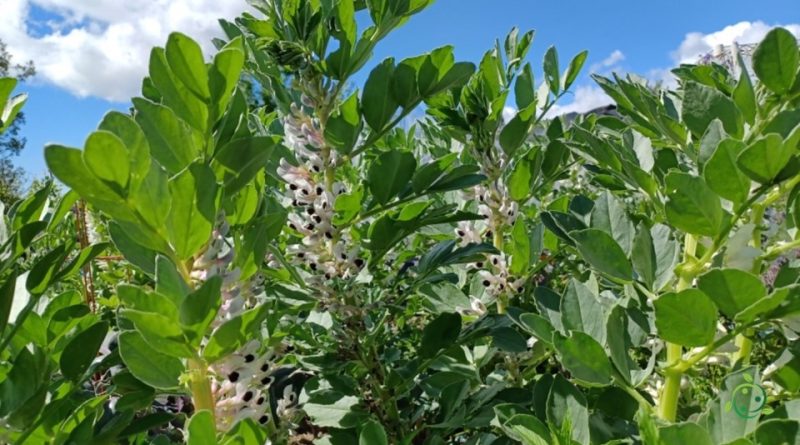
How to intercrop the broad bean The broad bean (Vicia faba L., 1753) is a plant of the Leguminosae family
Read more
How to intercrop the bean The bean (Phaseolus vulgaris L.) is an annual plant belonging to the Leguminosae (or Fabaceae)
Read more
How to intercrop chicory Chicory (Cichorium intybus L., 1753) is a herbaceous species of the Asteraceae family, cultivated for centuries
Read more
How to intercrop hemp Hemp (Cannabis sativa L., 1753) is a plant of the Cannabaceae family cultivated mainly for textile
Read more